
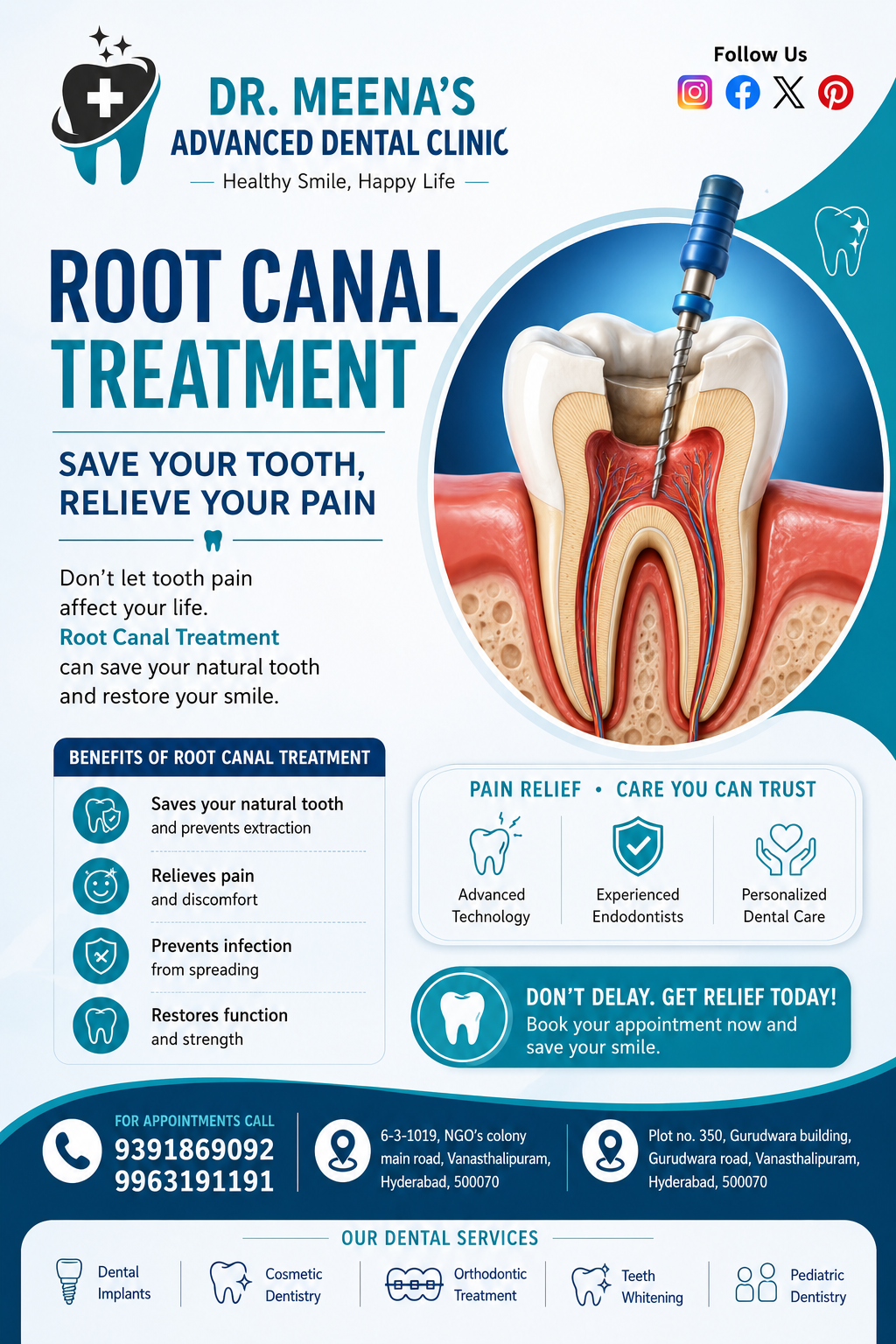
It can be convenient to choose a clinic that provides comprehensive dental services, including diagnosis, root canal treatment, restorative procedures, crowns, and preventive dental care.
What Happens During Root Canal Treatment?
The exact treatment process depends on the individual tooth, but a typical root canal procedure involves several steps.
1. Dental Examination
The dentist examines the tooth and discusses your symptoms. An X-ray may be taken to understand the condition of the tooth and its roots.
2. Local Anaesthesia
Local anaesthesia is generally used to numb the area around the tooth so that the procedure can be performed comfortably.
3. Cleaning the Root Canals
The dentist accesses the inside of the tooth and removes the infected or inflamed pulp. The root canals are then cleaned and shaped.
4. Sealing the Tooth
After the canals have been properly cleaned, they are filled and sealed to help prevent further infection.
5. Tooth Restoration
Depending on the condition and location of the tooth, a filling or dental crown may be recommended to restore strength and function.
Is Root Canal Treatment Painful?
Modern dental techniques and local anaesthesia are designed to make root canal treatment much more comfortable than many people expect. Some tenderness or sensitivity can occur after treatment, but it is usually temporary.
If you are worried about dental pain or treatment, discuss your concerns with your dentist before the procedure. Understanding what will happen can make the experience less stressful.
How Long Does Root Canal Treatment Take?
The time required for root canal treatment varies depending on factors such as the type of tooth, the number of canals, the severity of infection, and the complexity of the case.
Some cases can be completed in fewer appointments, while more complicated cases may require additional visits. Your dentist can provide a more accurate treatment plan after examining your tooth.
Benefits of Root Canal Treatment
One of the major benefits of RCT is that it can help preserve the natural tooth.
Potential benefits include:
- Helps eliminate infection inside the tooth
- Can relieve dental pain caused by pulp inflammation or infection
- Helps preserve the natural tooth
- Restores chewing function after proper restoration
- Can avoid extraction in suitable cases
Root Canal Treatment vs. Tooth Extraction
When a tooth is severely damaged or infected, patients may wonder whether extraction is better than root canal treatment.
Whenever a tooth can be predictably restored, preserving the natural tooth may be preferable. However, extraction may be necessary in some situations when the tooth cannot be adequately restored.
The best option depends on your individual dental condition. A dentist can explain the advantages and limitations of each treatment after examination.
Why Timely Dental Treatment Matters
Ignoring persistent tooth pain does not necessarily mean the problem will resolve on its own. Dental infections can progress and may lead to swelling or other complications.
If you have ongoing tooth pain, sensitivity, or swelling, schedule a dental examination rather than delaying treatment.
Looking for the Best Dentist for Root Canal Treatment in Vanasthalipuram?
If you are searching for a best dentist for root canal treatment in Vanasthalipuram, focus on factors such as professional experience, diagnosis, treatment planning, technology, infection-control practices, patient communication, and follow-up care.
A consultation allows the dentist to determine whether root canal treatment is appropriate for your tooth and whether additional restoration, such as a crown, is required.
Frequently Asked Questions About Root Canal Treatment
How do I know if I need a root canal?
Symptoms such as persistent tooth pain, prolonged sensitivity, pain while chewing, swelling, or a damaged tooth can indicate a problem that requires dental evaluation. Only a dentist can determine whether RCT is necessary.
Can a root canal save my natural tooth?
In many suitable cases, root canal treatment can remove infection and allow the natural tooth to be retained. The long-term outcome also depends on the condition of the tooth and the quality of its final restoration.
Do all toothaches require root canal treatment?
No. Tooth pain can have many causes, including cavities, gum problems, sensitivity, cracks, and other dental conditions. A professional examination is necessary to identify the cause.
Should I get a crown after root canal treatment?
A crown may be recommended depending on the tooth’s location, remaining structure, and risk of fracture. Your dentist can advise whether a crown or another restoration is appropriate.
How can I prevent the need for root canal treatment?
Regular dental check-ups, good oral hygiene, limiting frequent sugary foods and drinks, treating cavities early, and protecting teeth from injury can help maintain oral health.
Book a Dental Consultation in Vanasthalipuram
If you are experiencing tooth pain, sensitivity, swelling, or discomfort while chewing, consider consulting a qualified dental professional. Early diagnosis can help identify the problem and determine the most suitable treatment.
For patients searching for a dental clinic in Vanasthalipuram for root canal treatment, a professional dental consultation is the first step toward understanding your treatment options and protecting your oral health.